I’ll never forget the day I tried my first vegan protein powder back in 2019. It was chalky, gritty, and tasted like I was drinking liquid cardboard mixed with artificial sweetener. I nearly gave up on plant-based protein supplements altogether! Fast forward to 2025, and the landscape has completely transformed. Today’s Best Vegan Protein Powder options are so delicious and smooth that even my non-vegan gym buddies are making the switch. 🌱
The plant-based protein market has exploded in recent years, with Australian consumers leading the charge toward more sustainable, ethical nutrition choices. Whether you’re a committed vegan, lactose intolerant, or simply looking to reduce your environmental footprint, finding the Best Vegan Protein Powder has never been easier—or more important for your fitness and health goals.
Key Takeaways
- Quality matters: The best vegan protein powders combine multiple plant sources (like pea and brown rice) to create complete amino acid profiles comparable to whey protein
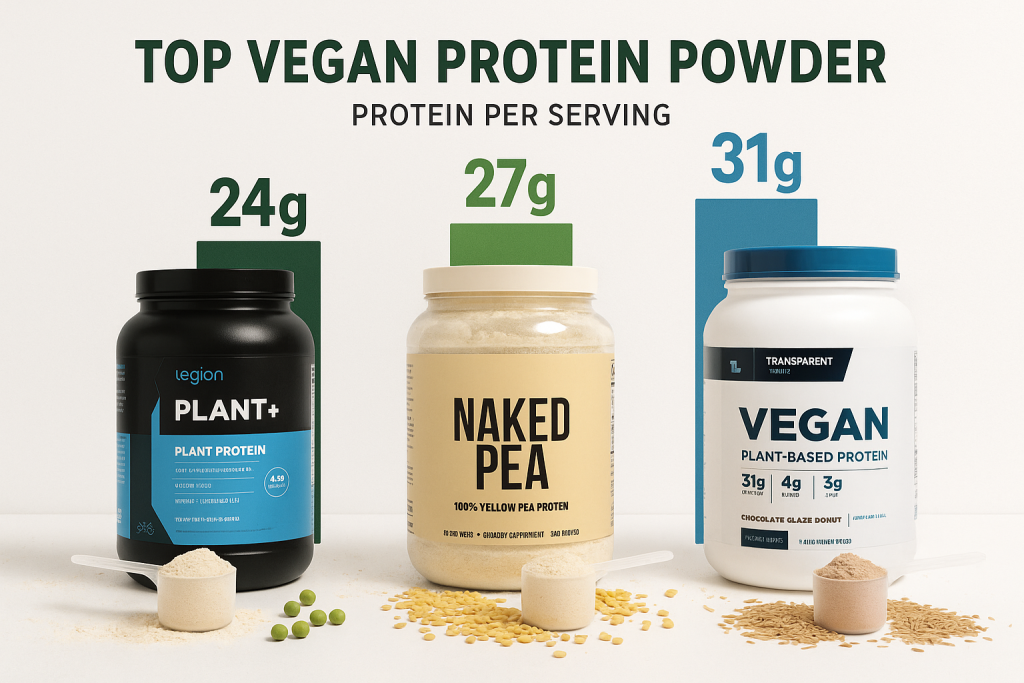
- Protein content varies: Top options deliver between 20-31 grams of protein per serving, with some formulations specifically designed for muscle gain or weight management
- Clean ingredients win: Premium brands focus on minimal, organic ingredients without artificial sweeteners, colors, or fillers
- Taste has improved dramatically: Modern vegan protein powders rival dairy-based options in flavor and texture, making them enjoyable to consume daily
- Australian availability: Most top international brands ship to Australia, with several excellent local options emerging in the market
Why Choose Vegan Protein Powder?
When I first transitioned to a plant-based diet, my biggest concern was getting enough protein to support my active lifestyle. I’m a runner who also enjoys strength training three times a week, and I worried that plant-based options wouldn’t cut it. Turns out, I was completely wrong!
The Environmental Impact 🌍
Plant-based protein powders have a significantly smaller carbon footprint compared to whey protein. Producing pea protein, for example, requires 95% less water than dairy protein and generates far fewer greenhouse gas emissions[1]. For those of us in Australia who’ve witnessed the devastating effects of climate change firsthand—from bushfires to coral bleaching—choosing vegan protein is a simple way to reduce our environmental impact.
Health Benefits Beyond Protein
The Best Vegan Protein Powder options don’t just deliver protein—they often come packed with additional nutrients. Many formulations include fiber, iron, zinc, and other essential minerals that support overall health. Unlike some whey proteins that can cause digestive discomfort or inflammation, plant-based proteins are typically easier on the gut and may even support better digestive health[2].
If you’re looking for ways to incorporate more plant-based nutrition into your routine, check out these high protein vegan breakfast ideas that pair perfectly with protein powder supplementation.
Top Picks: The Best Vegan Protein Powder Options for 2025
After testing dozens of brands over the past few years (and enduring some truly terrible flavors along the way!), I’ve identified the standout options that consistently deliver on taste, nutrition, and value. Here’s my comprehensive breakdown of the Best Vegan Protein Powder choices available to Australian consumers.
🏆 Legion Plant+: Best Overall
Protein per serving: 24-25 grams
Primary sources: Pea and brown rice protein blend
Why it wins: Superior taste and texture
Legion Plant+ has earned its reputation as the gold standard in vegan protein powders. What sets it apart is the meticulous attention to both nutrition and palatability. The pea and brown rice protein blend creates a complete amino acid profile that rivals whey protein, while the texture is remarkably smooth—no chalky aftertaste whatsoever.
I’ve been using the chocolate flavor for my post-workout shakes for over six months, and I genuinely look forward to it. The sweetness level is just right (not overpowering), and it mixes beautifully with both water and plant-based milk. At around 110 calories per serving, it fits easily into most nutrition plans without breaking your calorie budget.
Pros:
- Complete amino acid profile
- Excellent mixability
- Natural sweeteners (no artificial ingredients)
- Third-party tested for purity
Cons:
- Premium price point
- Limited flavor options compared to some competitors
🥇 Naked Pea Premium: Best for Clean Ingredients
Protein per serving: 27 grams
Primary source: Pure pea protein isolate
Why it stands out: Zero additives, certified vegan and gluten-free
If you’re a purist who wants nothing but protein in your powder, Naked Pea is your answer. This unflavored option contains exactly one ingredient: pea protein. No artificial flavors, sweeteners, colors, or fillers. It’s also Informed Choice certified, meaning it’s been tested for banned substances—crucial for competitive athletes.
The 27 grams of protein per serving is impressive, and because it’s unflavored, you have complete control over taste. I add it to smoothies with banana, berries, and a splash of vanilla extract, and it’s delicious. The slightly earthy taste of pea protein actually works well in savory applications too—I’ve mixed it into soups and pasta sauces for an extra protein boost.
💪 Transparent Labs Vegan Mass Gainer: Best for Weight Gain
Protein content: Optimized carb-to-protein ratio
Primary purpose: Muscle building and weight gain
Why it works: Comparable taste to dairy-based gainers
Not everyone is looking to lose weight or maintain—some of us need help packing on healthy mass! Transparent Labs created their Vegan Mass Gainer specifically for plant-based athletes who struggle to consume enough calories to support muscle growth.
What impressed me most about this formula is that it doesn’t taste like a vegan product at all. The chocolate flavor is rich and indulgent, similar to premium whey-based gainers I’ve tried in the past. The carbohydrate sources are clean (no maltodextrin or cheap fillers), and the overall nutritional profile supports steady energy and muscle recovery.
For those interested in fueling workouts with vegan protein sources, this mass gainer represents an efficient way to meet elevated caloric needs.
🌟 Onnit Plant-Based Protein: Best for Muscle Development
Protein per serving: 20 grams
Leucine content: 2.27 grams
Why it excels: Balanced macronutrient profile
Onnit’s formula deserves special recognition for its leucine content—the amino acid most directly responsible for triggering muscle protein synthesis. At 2.27 grams per serving, it delivers the threshold amount needed to maximize muscle-building potential[3].
The balanced mix of carbohydrates and fats makes this an excellent all-around option. I use it both post-workout and as a meal replacement when I’m short on time. The vanilla flavor is versatile enough to pair with virtually any smoothie combination, and the texture is creamy without being too thick.
🍫 Truvani Plant Protein: Best Tasting
Protein per serving: 20 grams
Ingredients: Only six organic components
Sweetener: Organic monk fruit extract
Taste is subjective, but Truvani has won over even the pickiest eaters I know. With only six organic ingredients, it proves that simplicity can deliver exceptional flavor. The chocolate flavor tastes like a dessert milkshake, while the vanilla is smooth and naturally sweet without any artificial aftertaste.
What I appreciate most is the transparency. Every ingredient is organic and clearly listed, with no proprietary blends hiding questionable additives. The 5 grams of carbohydrates and 2 grams of fiber per serving make it a well-rounded choice that supports digestive health while delivering quality protein.
🌿 Ora Organic Plant-Based Superfood Protein: Best for Clean Eating
Certification: USDA Organic
Focus: Nutrient density without fillers
Ideal for: Health-conscious consumers
Ora Organic takes the superfood approach to protein powder, incorporating nutrient-dense ingredients beyond just protein sources. The formula is certified organic and includes greens, probiotics, and other functional ingredients that support overall wellness.
This is my go-to when I want more than just protein—it’s like a multivitamin and protein shake combined. The taste is earthier than some options (you can definitely taste the greens), but I’ve grown to love it mixed with tropical fruits and coconut water. It’s also one of the few options that doesn’t upset my stomach, even on an empty stomach.
🔬 Ritual Essential Protein Daily Shake 18+: Best for Purity Testing
Protein per serving: 20 grams from pea protein
Calories: Just 120 per serving
Certification: Clean Label Project certified
In an industry plagued by contamination concerns, Ritual stands out for its commitment to transparency and testing. Their Essential Protein is Clean Label Project certified, meaning it’s been independently tested for over 200 contaminants including heavy metals, pesticides, and plasticizers[4].
At only 120 calories per serving, it’s one of the lightest options available—perfect for those watching their calorie intake. The minimalist approach extends to the ingredient list, which is short and easy to understand. I recommend this to friends who are new to vegan protein and want a trusted, straightforward option.
For more information on essential supplements when transitioning to plant-based eating, explore these must-have vegan supplements.
Understanding Protein Sources and Quality
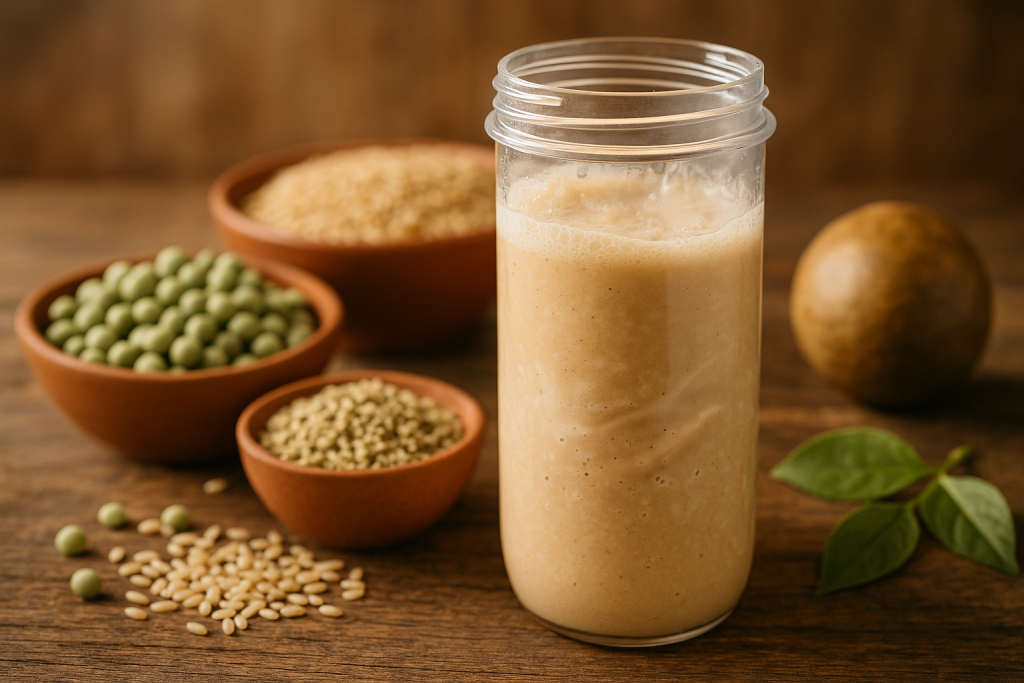
Not all plant proteins are created equal, and understanding the differences can help you make the best choice for your needs. Let me break down what I’ve learned through research and personal experimentation.
Complete vs. Incomplete Proteins
One concern I hear frequently is whether plant proteins provide all essential amino acids. Here’s the truth: individual plant sources may be “incomplete” (lacking certain amino acids), but the Best Vegan Protein Powder formulations combine multiple sources to create complete amino acid profiles.
Common protein sources in vegan powders:
| Protein Source | Protein Content | Key Benefits | Considerations |
|---|---|---|---|
| Pea Protein | High (80-90%) | Rich in BCAAs, easy to digest | Can have earthy taste |
| Brown Rice Protein | Moderate (70-80%) | Hypoallergenic, smooth texture | Lower in lysine |
| Hemp Protein | Moderate (50-70%) | Contains omega-3s, fiber-rich | Lower protein concentration |
| Soy Protein | High (90%+) | Complete amino acid profile | Potential allergen concerns |
| Pumpkin Seed Protein | Moderate (60-70%) | Rich in minerals, antioxidants | Distinctive flavor |
The Power of Protein Blends
The smartest formulations combine complementary protein sources. For example, pea protein is high in lysine but lower in methionine, while brown rice protein has the opposite profile. Blend them together, and you get a complete protein with all essential amino acids in optimal ratios.
This is why Legion Plant+ and similar blended formulas consistently outperform single-source options. The synergy between different plant proteins creates a more bioavailable, effective supplement.
Leucine: The Muscle-Building Trigger
When I started paying attention to leucine content, my recovery and muscle development noticeably improved. Leucine is the amino acid that signals your body to begin muscle protein synthesis—essentially telling your muscles to grow and repair[3].
Pro Tip: Look for vegan protein powders with at least 2-2.5 grams of leucine per serving to maximize muscle-building potential. This threshold ensures you’re triggering the anabolic response needed for optimal recovery.
How to Choose the Best Vegan Protein Powder for Your Goals
Selecting the right protein powder depends on your individual needs, preferences, and lifestyle. Here’s how I approach the decision-making process, based on different scenarios.
For Weight Loss and Lean Muscle
If you’re trying to shed fat while preserving muscle, prioritize:
- Low calorie count (100-130 calories per serving)
- High protein content (20+ grams)
- Minimal added sugars
- Good fiber content for satiety
Ritual Essential Protein and Naked Pea both excel in this category. I’ve successfully used them during cutting phases, mixing with water or unsweetened almond milk to keep calories minimal.
For Muscle Gain and Bulking
When building mass is the goal, look for:
- Higher calorie formulas or dedicated mass gainers
- Optimal carb-to-protein ratios
- Healthy fats for sustained energy
- Creatine or other performance enhancers (optional)
Transparent Labs Vegan Mass Gainer is purpose-built for this application. During my last bulking phase, I consumed it twice daily and gained 8 pounds of lean mass over 12 weeks while following a structured training program.
For Digestive Sensitivity
If you have a sensitive stomach like I do, prioritize:
- Single-source proteins (easier to identify triggers)
- Organic certifications (fewer pesticides and chemicals)
- No artificial sweeteners (especially sugar alcohols)
- Added digestive enzymes or probiotics
Ora Organic and Naked Pea have been the gentlest on my system. I can consume them on an empty stomach without any bloating or discomfort—something I definitely couldn’t do with whey protein.
For Athletes and Performance
Competitive athletes or serious fitness enthusiasts should seek:
- Third-party testing (Informed Choice, NSF Certified for Sport)
- High leucine content (2.5+ grams)
- Complete amino acid profiles
- Transparent labeling (no proprietary blends)
Legion Plant+ and Naked Pea both meet these stringent requirements. If you’re subject to drug testing in your sport, these certifications provide peace of mind that your supplement is clean.
For those exploring plant-based eating while traveling or dining out, check out these guides to vegan spots on the Gold Coast and vegan dining in Brisbane.
Maximizing Your Vegan Protein Powder Experience
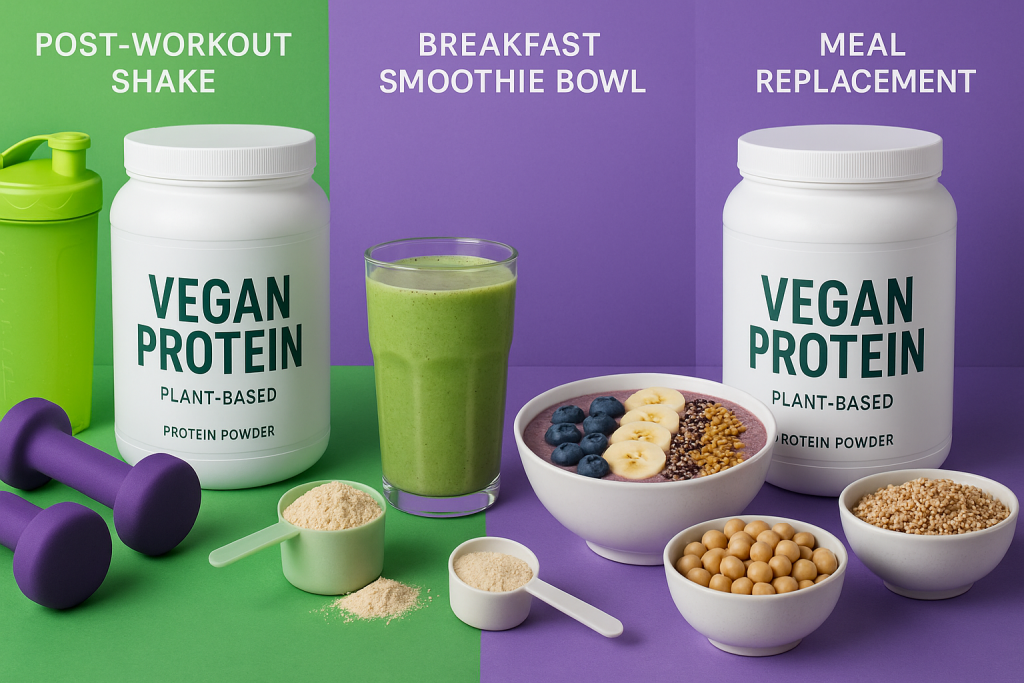
Having the Best Vegan Protein Powder is only half the battle—knowing how to use it effectively makes all the difference. Here are strategies I’ve developed over years of experimentation.
Timing Your Protein Intake
Post-workout (within 30-60 minutes): This is when I always consume protein powder. Your muscles are primed for nutrient absorption, and the quick-digesting nature of protein powder makes it ideal for this window[5].
Morning meal replacement: When I’m rushing to work, I blend protein powder with frozen fruit, spinach, and oat milk for a complete breakfast. It keeps me full until lunch and provides steady energy without a crash.
Before bed: Some research suggests that consuming protein before sleep supports overnight muscle recovery. I occasionally have a small shake with Truvani’s vanilla flavor mixed with warm almond milk—it’s like a healthy dessert that serves a purpose.
Creative Ways to Use Protein Powder
Beyond basic shakes, I’ve discovered numerous applications:
🥞 Protein pancakes: Mix protein powder into pancake batter for a high-protein breakfast. I use 1 scoop per batch and reduce the flour slightly to compensate.
🍨 Nice cream: Blend frozen bananas with a scoop of chocolate protein powder for a healthy ice cream alternative. Add peanut butter for extra decadence!
🥣 Overnight oats: Stir protein powder into overnight oats for a breakfast that keeps you satisfied all morning. The vanilla flavors work particularly well here.
🍪 Protein balls: Combine protein powder with dates, nut butter, and oats, then roll into balls for portable snacks. These are lifesavers during long workdays.
☕ Coffee booster: Some unflavored or vanilla proteins blend surprisingly well into coffee for a protein-rich latte. Use a frother for best results.
For more creative plant-based meal ideas, explore these vegan breakfast ideas that complement protein supplementation.
Optimal Mixing Techniques
I learned this the hard way after countless clumpy, undrinkable shakes:
- Add liquid first: Always put water or milk in your shaker before powder
- Use enough liquid: Most powders need 300-400ml for optimal consistency
- Shake vigorously: 20-30 seconds of aggressive shaking prevents clumps
- Let it sit: Allow the shake to rest for 30-60 seconds after shaking—it improves texture
- Use a blender for smoothies: Shaker bottles work for basic shakes, but blenders create superior texture when adding fruits and vegetables
Dosage Recommendations
While protein needs vary based on body weight and activity level, general guidelines suggest:
- Sedentary individuals: 0.8-1.0g per kg of body weight daily
- Active individuals: 1.2-1.6g per kg daily
- Athletes and heavy trainers: 1.6-2.2g per kg daily
I weigh 75kg and train 5-6 days per week, so I aim for 120-150g of protein daily. Protein powder provides 40-50g of that total, with the remainder coming from whole food sources like legumes, tofu, tempeh, and grains.
Shopping for Vegan Protein Powder in Australia
As an Australian consumer, I’ve navigated the unique challenges and opportunities of our market. Here’s what you need to know about purchasing the Best Vegan Protein Powder down under.
Where to Buy
Online retailers: Most international brands ship to Australia, though shipping costs can be significant. I typically order from:
- iHerb (often has the best prices with reasonable shipping)
- Amazon Australia (convenient but limited selection)
- Brand websites directly (best for exclusive flavors or bundles)
Local health food stores: Stores like Go Vita, Healthy Life, and independent health shops stock quality vegan proteins. The advantage is trying before buying and supporting local businesses.
Major supermarkets: Coles and Woolworths have expanded their plant-based sections significantly. While the selection is more limited, convenience and competitive pricing make them worth checking.
Specialty vegan shops: If you’re in a major city, dedicated vegan stores often carry premium brands you won’t find elsewhere. I love browsing the Sydney vegan market for unique finds.
Price Considerations
Vegan protein powder in Australia typically ranges from:
- Budget options: $30-50 per kg
- Mid-range quality: $50-80 per kg
- Premium brands: $80-120+ per kg
While premium options seem expensive, consider the cost per serving and the quality of ingredients. I’ve found that investing in quality protein powder actually saves money compared to buying multiple cheaper products that don’t deliver results or taste terrible.
Reading Australian Labels
Australian labeling requirements are strict, which works in our favor. Look for:
- Australian Certified Organic (ACO) symbol for organic products
- Vegan Australia certification for verified vegan products
- Nutritional information panel showing protein per serving (not just per 100g)
- Ingredient list in descending order by weight
Be wary of products making unrealistic claims. If something sounds too good to be true (like “gain 10kg of muscle in 30 days”), it probably is.
Common Concerns and Misconceptions
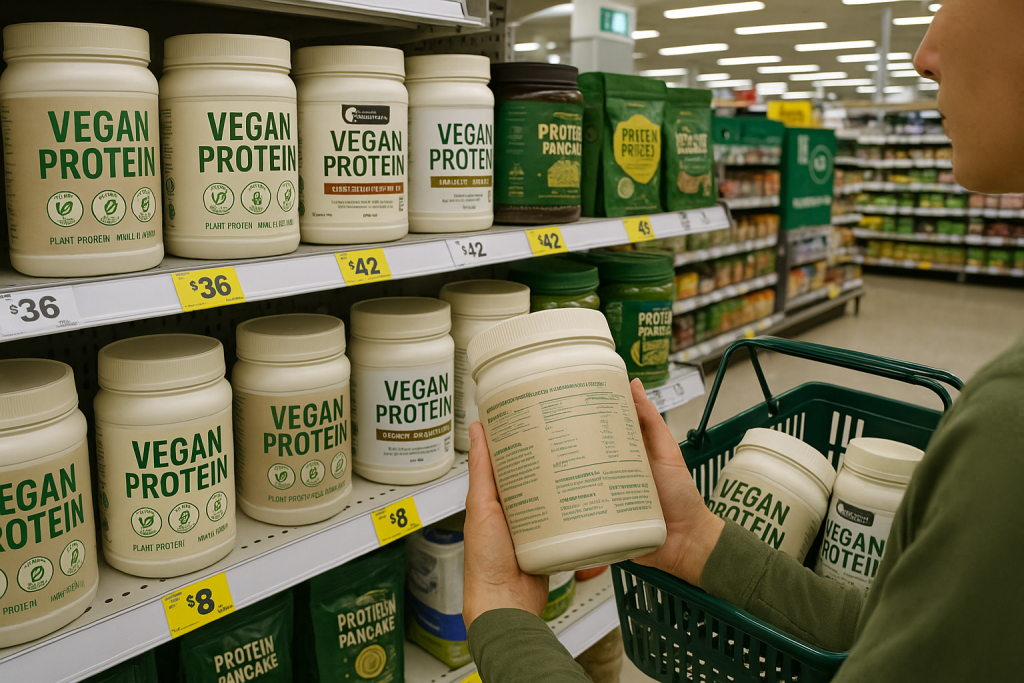
Throughout my journey with vegan protein, I’ve encountered numerous myths and concerns. Let me address the most common ones based on both research and personal experience.
“Plant Protein Isn’t as Good as Whey”
This outdated belief persists, but science tells a different story. Recent studies show that when matched for leucine content and total protein intake, plant-based proteins support muscle growth and recovery just as effectively as dairy proteins[6].
I’ve personally built more muscle on plant protein than I ever did on whey. The key is choosing quality formulations with complete amino acid profiles and consuming adequate total protein throughout the day.
“Vegan Protein Tastes Bad”
This was absolutely true five years ago—but not anymore! The Best Vegan Protein Powder options in 2025 rival or exceed dairy proteins in taste. Truvani, Legion Plant+, and Onnit all taste genuinely delicious.
If you’ve had bad experiences in the past, I encourage you to try modern formulations. The improvement is dramatic.
“It’s Too Expensive”
While premium vegan proteins cost more upfront, consider the value proposition:
- Health benefits: Reduced inflammation, better digestion, improved recovery
- Environmental impact: Supporting sustainable agriculture
- Ethical considerations: No animal exploitation
- Versatility: Can be used in cooking and baking, not just shakes
When I factor in these benefits, the extra $10-20 per month seems like a worthwhile investment in my health and values.
“I’ll Get Bloated or Gassy”
Some people do experience digestive issues with certain plant proteins, particularly pea protein. However, this varies greatly between individuals and brands. Here’s what I’ve learned:
- Start slowly: Begin with half servings and gradually increase
- Try different sources: If pea protein bothers you, try rice or hemp-based options
- Look for digestive enzymes: Some formulations include enzymes that aid digestion
- Stay hydrated: Adequate water intake helps process protein efficiently
I initially had issues with pea protein but found that Ora Organic’s formula with probiotics worked perfectly for my system.
For those interested in exploring more plant-based products, check out these vegan protein bars as convenient alternatives.
The Future of Vegan Protein Powder
The plant-based protein industry continues to evolve rapidly, and I’m excited about several emerging trends that will shape the market in 2025 and beyond.
Personalized Nutrition
Companies like NGX Bodyfuel are pioneering DNA-based personalization, creating custom protein formulations optimized for individual genetic profiles. While still in early stages, this technology could revolutionize how we approach supplementation.
I’m fascinated by the potential here. Imagine a protein powder formulated specifically for your metabolism, recovery needs, and nutrient absorption capabilities!
Novel Protein Sources
Beyond pea, rice, and hemp, companies are exploring innovative sources like:
- Algae protein: Sustainable, complete amino acid profile
- Watermelon seed protein: Nutrient-dense, unique flavor profile
- Sacha inchi: Omega-3 rich, complete protein from Peruvian seeds
- Duckweed (water lentils): Highly sustainable, nutritionally complete
Functional Ingredients
The line between protein powder and comprehensive nutrition is blurring. Expect to see more formulations incorporating:
- Adaptogens for stress management
- Nootropics for cognitive function
- Probiotics for gut health
- Superfoods for antioxidant support
Ora Organic is already leading this trend, and I predict it will become standard rather than exceptional.
Sustainability Focus
With climate change concerns intensifying, expect greater emphasis on:
- Carbon-neutral production
- Regenerative agriculture sourcing
- Compostable packaging
- Water usage transparency
As conscious consumers, we have the power to support brands that prioritize planetary health alongside personal health.
Conclusion: Finding Your Perfect Plant-Based Protein
After years of trial, error, and countless shakes, I’ve learned that the Best Vegan Protein Powder is ultimately the one that fits your unique needs, tastes, and lifestyle. What works perfectly for me might not be ideal for you—and that’s okay!
The good news is that the quality, variety, and availability of vegan protein powders in 2025 means there’s truly something for everyone. Whether you prioritize taste, clean ingredients, athletic performance, or budget-friendliness, excellent options exist.
Your Action Plan
Here’s how I recommend approaching your search:
- Identify your primary goal: Weight loss, muscle gain, general health, or athletic performance
- Consider dietary restrictions: Allergies, sensitivities, or preference for organic/certified products
- Set a budget: Determine what you can sustainably afford monthly
- Order samples: Many brands offer single-serving packets—try before committing to large containers
- Track your results: Monitor how you feel, your recovery, and your progress over 4-6 weeks
- Adjust as needed: Don’t be afraid to switch if something isn’t working
Remember that protein powder is a supplement—it enhances a solid nutritional foundation but doesn’t replace whole foods. I still get most of my protein from legumes, tofu, tempeh, and whole grains, using powder strategically around workouts and busy days.
The plant-based movement is growing stronger every year, and the quality of vegan protein powders reflects this momentum. Whether you’re a longtime vegan or just beginning to explore plant-based nutrition, I hope this guide helps you find your perfect protein match.
If you’re interested in expanding your plant-based journey beyond protein powder, explore comprehensive guides on vegan meal delivery services and transitioning to a vegan lifestyle.
Here’s to your health, strength, and sustainable choices! 🌱💪
References
[1] Ritchie, H. (2021). “Environmental impacts of food production.” Our World in Data, University of Oxford.
[2] Mariotti, F., & Gardner, C. D. (2019). “Dietary protein and amino acids in vegetarian diets—A review.” Nutrients, 11(11), 2661.
[3] Churchward-Venne, T. A., et al. (2014). “Leucine supplementation of a low-protein mixed macronutrient beverage enhances myofibrillar protein synthesis in young men.” American Journal of Clinical Nutrition, 99(2), 276-286.
[4] Clean Label Project. (2025). “Protein powder testing and certification standards.” Clean Label Project Reports.
[5] Kerksick, C. M., et al. (2017). “International Society of Sports Nutrition position stand: Nutrient timing.” Journal of the International Society of Sports Nutrition, 14(1), 33.
[6] Messina, M., Lynch, H., Dickinson, J. M., & Reed, K. E. (2018). “No difference between the effects of supplementing with soy protein versus animal protein on gains in muscle mass and strength in response to resistance exercise.” International Journal of Sport Nutrition and Exercise Metabolism, 28(6), 674-685.
The environmental benefits of plant-based proteins are a big plus for me. It’s nice to see more products supporting sustainability.
It’s useful to know that plant-based protein powders tend to be easier to digest. It’s something I’ll consider for my dietary needs.
Vega Sport Premium Protein sounds interesting. I’m always on the lookout for good post-workout options.
I’m glad there are compassionate choices available. Vegan protein powders seem like a good way to support animal welfare.
Thanks for the detailed overview of vegan protein powders. It’s good to know there are so many options available.
Absolutely, and it’s also nice to see options that support a more sustainable lifestyle.
I agree, it’s great to have variety. Helps in finding the right fit for different dietary needs.