Introduction to Vegan Supplements: Ensuring Complete Nutrition
So, you’ve decided to adopt a vegan lifestyle and reap the benefits of a plant-based diet. Congratulations! But before you dive headfirst into this new way of eating, it’s important to understand that certain nutrients may be harder to obtain solely from plant sources. That’s where vegan supplements come in – they help bridge the nutritional gaps and ensure you’re getting all the essential vitamins and minerals your body needs.
Now, you might be wondering, “Why do I need supplements if I’m eating a balanced vegan diet?” Well, the truth is, even the most carefully planned vegan diet can fall short in some areas. While plants are rich in many nutrients, they may lack certain essential ones that are primarily found in animal products. That’s why it’s important to be proactive and ensure you’re meeting all your nutritional needs.
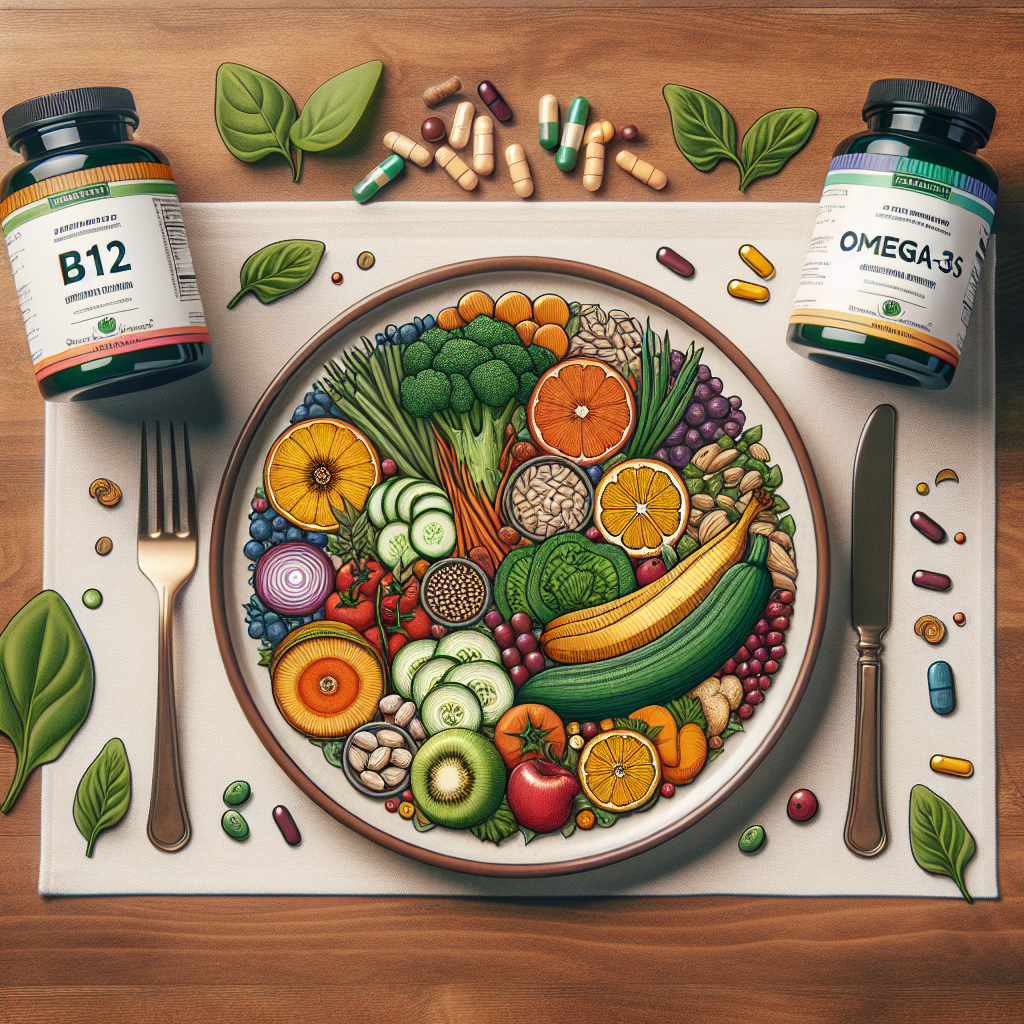
One of the most crucial supplements for vegans is vitamin B12. This vitamin is primarily found in animal foods, and its deficiency can lead to fatigue, nerve damage, and even anemia. Since plant-based sources of vitamin B12 are limited, it’s highly recommended that vegans take a B12 supplement to avoid any deficiencies. This way, you can enjoy the benefits of a vegan diet while keeping your energy levels high.
Omega-3 fatty acids are another key nutrient that vegans should pay attention to. These essential fats play a vital role in brain health and reducing inflammation. While fish is a commonly known source of omega-3s, vegans can obtain them from plant-based sources like chia seeds, flaxseeds, and walnuts. However, it may be challenging to consume enough of these foods to meet your daily requirements. In such cases, opting for a vegan omega-3 supplement derived from algae can be a convenient and effective solution.
Iron is an essential mineral that supports the production of red blood cells and prevents anemia. While it’s true that iron can be obtained from plant-based sources like spinach, lentils, and tofu, the body’s ability to absorb iron from these foods is lower compared to animal sources. To ensure you’re getting enough iron, especially for women who have higher iron needs, incorporating an iron supplement can be beneficial.
Calcium and vitamin D are crucial for maintaining strong bones and preventing osteoporosis. While dairy products are the most well-known sources of calcium, vegans can obtain this mineral from plant-based foods such as kale, tofu, and almonds. However, it’s important to note that the absorption of calcium from plant sources may be lower. To compensate for this, taking a calcium supplement that includes vitamin D can help optimize absorption and provide the necessary bone-building nutrients.
Protein is an essential macronutrient that plays a vital role in muscle repair and growth. While plant-based protein sources like legumes, quinoa, and tempeh are abundant, some individuals may struggle to meet their protein needs solely through food. In such cases, incorporating a vegan protein powder into your diet can be a convenient way to ensure you’re meeting your protein requirements without compromising your vegan lifestyle.
Lastly, let’s not forget about the importance of trace elements like zinc, iodine, and selenium. While these minerals are needed in smaller amounts, they are still essential for optimal health. Zinc supports immune function and helps with wound healing, while iodine is necessary for thyroid health. Selenium acts as an antioxidant and supports thyroid function as well. Vegans can obtain these trace elements from plant foods, but supplementation may be necessary in certain cases to ensure adequate levels.
So, there you have it – an introduction to vegan supplements and the importance of ensuring complete nutrition on a plant-based diet. While a well-planned vegan diet can be incredibly nutritious, incorporating these supplements will help fill any nutritional gaps and support your overall health and well-being. Remember, it’s all about finding the right balance and making sure your body gets everything it needs to thrive on your vegan journey!
Vitamin B12: The Non-Negotiable Supplement for Vegans
Are you considering or already following a vegan diet? If so, it’s important to understand the essential nutrients you may need to supplement, and vitamin B12 is at the top of that list. Let’s dive into why vitamin B12 is crucial for vegans and how you can ensure you’re meeting your needs.
Vitamin B12 is an essential nutrient that plays a vital role in the formation of red blood cells and the proper functioning of the nervous system. It is primarily found in animal products such as meat, dairy, and eggs. Since vegans avoid these food sources, they are at a higher risk of developing a deficiency.
While some argue that plant-based foods like seaweed, tempeh, and nutritional yeast contain vitamin B12, it’s important to note that these sources may not provide enough of this crucial nutrient. Additionally, the form of vitamin B12 found in plant-based foods is not easily absorbed by the body.
So, what can vegans do to ensure they’re getting enough vitamin B12? The answer is simple: take a B12 supplement. There are several options available, including B12 tablets, sublingual drops, and fortified foods.
B12 supplements, usually in the form of cyanocobalamin or methylcobalamin, are widely available and affordable. It’s recommended to take a daily supplement of at least 25-100 micrograms, or a weekly supplement of 1,000 micrograms, to meet your needs. Always consult with a healthcare professional to determine the dosage that’s right for you.
In addition to supplements, fortified foods can also be a valuable source of vitamin B12 for vegans. Many plant-based milks, breakfast cereals, and meat alternatives are fortified with this nutrient. Check the labels to ensure they contain an adequate amount of vitamin B12.
Remember, vitamin B12 is a non-negotiable supplement for vegans. Even if you consume fortified foods regularly, it’s wise to take a B12 supplement to ensure you’re meeting your nutritional needs. Vitamin B12 deficiency can lead to symptoms such as fatigue, weakness, and neurological problems, so it’s essential to prioritize this nutrient.
While it’s possible to obtain other nutrients through a well-planned vegan diet, vitamin B12 is a unique case. It’s not just a matter of eating the right foods; it’s about ensuring your body can absorb and utilize this critical nutrient. Supplementation is the most reliable and efficient way to achieve this.
Remember, always consult with a healthcare professional to determine your specific nutrient needs and to discuss any concerns you may have as a vegan. They can guide you on the best supplement options and help you maintain optimal health on your plant-based journey.
III. Omega-3 Fatty Acids: Plant-Based Sources and Supplements
When it comes to maintaining a healthy vegan diet, one essential nutrient that often gets overlooked is omega-3 fatty acids. These fatty acids play a crucial role in brain function, heart health, and reducing inflammation in the body. While fish and fish oil are commonly associated with omega-3s, there are plenty of plant-based sources and supplements that can provide this vital nutrient.
Plant-Based Sources of Omega-3 Fatty Acids
If you’re looking to incorporate more omega-3s into your vegan diet, here are some fantastic plant-based sources to consider:
- Chia Seeds: These tiny but mighty seeds are packed with omega-3s, fiber, and antioxidants. You can sprinkle them on top of your smoothies, oatmeal, or even use them as an egg substitute in baking.
- Flaxseeds: Another great source of omega-3s, flaxseeds can be ground and added to your morning cereal, yogurt, or used in baking recipes.
- Walnuts: Not only are walnuts delicious, but they also contain a good amount of omega-3 fatty acids. Snack on them or top your salads with a handful to reap the benefits.
- Hemp Seeds: These little seeds are not only rich in omega-3s but also provide a good source of protein. Sprinkle them on your salads, soups, or blend them into your smoothies for an added nutritional boost.
- Spirulina: This blue-green algae is not only a great source of protein but also contains omega-3 fatty acids. You can find spirulina in powder or tablet form and easily incorporate it into your daily routine.
Supplements for Omega-3 Fatty Acids
While incorporating plant-based sources of omega-3s into your diet is ideal, sometimes it can be challenging to consume enough to meet your daily needs. In such cases, omega-3 supplements can be an excellent addition to your routine. Here are a few options to consider:
- Algal Oil: Algal oil is derived from algae and provides a direct source of omega-3s. It’s an excellent option for vegans since it doesn’t come from fish.
- Flaxseed Oil: If you prefer a liquid supplement, flaxseed oil can be an excellent choice. It is rich in omega-3s and can be added to smoothies or used as a dressing for salads.
- Omega-3 Capsules: There are numerous vegan omega-3 capsules available in the market that provide a convenient and reliable source of this essential nutrient.
The Importance of Balance
When it comes to omega-3 supplementation, it’s crucial to strike a balance. While omega-3 fatty acids are essential, it’s equally important to ensure a proper ratio with omega-6 fatty acids. Omega-6 fatty acids are also crucial for our health, but an imbalance in the ratio of omega-3 to omega-6 can lead to inflammation. To maintain this balance, avoid excessive consumption of oils high in omega-6s, such as corn oil or soybean oil, and focus on incorporating sources of omega-3s into your diet.
Ultimately, by including a variety of plant-based sources of omega-3 fatty acids and considering supplements when necessary, you can easily meet your nutritional needs on a vegan diet. Remember, it’s always a good idea to consult with a healthcare professional or registered dietitian to ensure you’re getting the right amount of omega-3s for your specific needs.
IV. Iron and the Vegan Diet: Absorption and Supplement Options
Iron, a crucial mineral for the human body, plays a vital role in various biological processes. While maintaining adequate iron levels is essential for everyone, it is particularly important for individuals following a vegan diet. However, there can be some challenges in obtaining sufficient iron solely from plant-based sources.
To ensure optimal iron absorption on a vegan diet, it is essential to focus on enhancing the bioavailability of this essential mineral. One strategy to achieve this is by pairing iron-rich foods with vitamin C sources, such as citrus fruits or bell peppers, as vitamin C significantly enhances iron absorption. Incorporating these combinations during meal planning can help vegans meet their iron requirements more efficiently.
Additionally, some plant-based foods naturally contain compounds that can inhibit iron absorption. Including iron-rich foods, such as leafy greens or legumes, in your diet is still highly encouraged. However, it may be beneficial to consider certain cooking methods that can help reduce these inhibitors, such as soaking or fermenting legumes. These practices can enhance iron bioavailability and contribute to overall iron intake.
While focusing on optimizing iron absorption from food sources is crucial, vegans may also consider incorporating iron supplements to ensure they meet their daily iron needs. Supplements can serve as a convenient option, especially for those struggling to consume sufficient iron through diet alone. Consulting with a healthcare professional or registered dietitian can help determine the appropriate iron supplement dosage and ensure it aligns with individual health requirements.
1. Plant-Based Sources of Iron
– Dark leafy greens: Spinach, kale, and Swiss chard are excellent sources of iron. Try adding them to your salads, sautéing them as a side dish, or blending them into a delicious green smoothie.
– Legumes: Beans, lentils, and chickpeas are not only rich in iron but also high in protein and fiber. They make a great addition to soups, stews, and salads.
– Nuts and seeds: Almonds, cashews, and pumpkin seeds are all good sources of iron. Snack on them or sprinkle them over your meals for an iron boost.
– Whole grains: Quinoa, brown rice, and oats are not only nutritious but also contain iron. Enjoy them as a side dish or use them as a base for your meals.
2. Enhancing Iron Absorption
– Pair iron-rich foods with vitamin C: Consuming foods high in vitamin C, such as citrus fruits, strawberries, and bell peppers, can significantly enhance the absorption of iron from plant-based sources. For example, squeeze lemon juice over your spinach salad or enjoy a glass of orange juice with your lentil curry.
– Avoid consuming iron inhibitors: Certain compounds can hinder iron absorption. These include tannins found in tea and coffee, as well as phytates found in whole grains and legumes. To maximize iron absorption, try to avoid consuming these inhibitors during meals.
3. Iron Supplements for Vegans
– If you’re struggling to meet your iron needs through diet alone, consider taking an iron supplement. It’s always best to consult with a healthcare professional or registered dietitian before starting any new supplements, as they can help determine the appropriate dosage for your individual needs.
– Look for iron supplements that contain ferrous iron, as it is the most readily absorbed form. Avoid supplements that contain iron in the form of ferric iron, as it is less bioavailable.
– To enhance iron absorption from supplements, take them with a source of vitamin C. This could be as simple as taking your supplement with a glass of orange juice.
Remember, maintaining adequate iron levels is vital for your overall health and well-being. Signs of iron deficiency include fatigue, weakness, pale skin, and shortness of breath. If you experience any of these symptoms, it’s essential to get your iron levels checked by a healthcare professional.
Incorporating iron-rich foods into your meals and optimizing iron absorption through dietary strategies can go a long way in meeting your iron needs on a vegan diet. And if necessary, iron supplements can provide an extra boost. With a little planning and knowledge, you can ensure you’re getting all the iron your body needs to thrive as a vegan.
In conclusion, addressing iron intake on a vegan diet requires attention to maximizing iron absorption while exploring potential supplement options. By applying simple strategies like pairing iron-rich foods with vitamin C sources and employing suitable cooking techniques, vegans can enhance their iron intake from plant-based sources. Additionally, considering iron supplements, under professional guidance, can provide an extra layer of reassurance to meet the body’s iron needs effectively.
V. Calcium and Vitamin D: Building Strong Bones on a Vegan Diet
Maintaining strong and healthy bones is vital for overall well-being, and this is no different for individuals following a vegan lifestyle. While it may seem challenging to obtain adequate calcium and vitamin D solely from plant-based sources, there are various strategies to ensure you meet your nutritional needs and support your bone health.
Calcium, a mineral critical for bone strength, can be found in plant-based foods such as leafy greens (e.g., kale, collard greens) and fortified plant-based milk alternatives. To increase your calcium intake, aim to include these sources regularly in your diet. Additionally, considering calcium-fortified foods, such as tofu or certain breakfast cereals, is a wise choice to enhance your calcium consumption.
To optimize calcium absorption, it is important to be mindful of other components in your diet that may hinder absorption. For example, oxalic acid found in spinach and rhubarb can bind to calcium and reduce its bioavailability. However, this does not mean you should exclude these foods from your diet completely. Instead, it’s beneficial to diversify your calcium sources and focus on incorporating foods with higher calcium absorption rates.
Vitamin D, often referred to as the sunshine vitamin, is essential for calcium absorption and bone health. While sunlight provides our bodies with vitamin D, it may be challenging for vegans to obtain adequate amounts solely through sunlight exposure, especially in regions with limited sun exposure during certain months. Therefore, it is advisable for vegans to consider vitamin D supplementation or consume fortified foods like plant-based milk alternatives or breakfast cereals enriched with vitamin D.
As with any dietary choices, it is crucial to consult with healthcare professionals or registered dietitians to ensure you are meeting your individual calcium and vitamin D needs. Blood tests can help determine your current levels and guide appropriate supplementation if necessary.
In conclusion, maintaining robust bone health on a vegan diet can be achieved through careful dietary planning and consideration of calcium and vitamin D sources. By incorporating a variety of calcium-rich plant-based foods, exploring fortified options, and addressing potential absorption inhibitors, you can confidently support your bone health. Remember to consult experts for personalized guidance to optimize your calcium and vitamin D intake, ultimately nurturing your bones for optimal health.
VI. Zinc, Iodine, and Selenium: Trace Elements for Optimal Vegan Health
When it comes to maintaining optimal health on a vegan diet, it’s important to ensure that you’re getting all the necessary trace elements, such as zinc, iodine, and selenium. While these nutrients are required in smaller amounts compared to vitamins and macronutrients, they play a crucial role in many bodily functions.
1. Zinc: The Immune Booster
Zinc is an essential mineral that plays a vital role in immune function, wound healing, and DNA synthesis. It’s especially important for vegans to pay attention to their zinc intake, as plant-based sources of zinc are not as easily absorbed by the body as animal-based sources.
To ensure you’re meeting your zinc needs, include foods like legumes, whole grains, nuts, and seeds in your diet. You can also consider taking a zinc supplement if you’re concerned about meeting your daily requirements. Aim for around 8-11 milligrams of zinc per day for adult men and 8 milligrams per day for adult women.
2. Iodine: Supporting Thyroid Function
Iodine is a trace element that is essential for the production of thyroid hormones, which regulate metabolism and support proper growth and development. While iodine deficiency is uncommon in many countries due to iodized salt, it’s still important for vegans to be mindful of their iodine intake.
Seaweed, such as nori, kombu, and wakame, is a rich source of iodine and can be easily incorporated into your diet. If you’re not a fan of seaweed, you can also consider using iodized salt or taking an iodine supplement, but be sure to consult with a healthcare professional before starting any supplementation regimen.
3. Selenium: An Antioxidant Powerhouse
Selenium is a trace element that acts as a powerful antioxidant in the body, protecting cells from damage and supporting a healthy immune system. It’s also involved in thyroid hormone metabolism and reproduction.
Vegans can obtain selenium from plant-based sources such as Brazil nuts, whole grains, legumes, and seeds. However, the selenium content in plant-based foods can vary depending on the soil in which they were grown, so it’s important to ensure you’re consuming a variety of selenium-rich foods.
It’s worth noting that Brazil nuts are particularly high in selenium, so including just one or two in your daily diet can help you meet your selenium needs. However, be cautious not to consume excessive amounts, as too much selenium can be harmful.
Conclusion
While it’s entirely possible to meet your trace element needs on a vegan diet, it’s important to be mindful of your intake and ensure you’re getting enough zinc, iodine, and selenium.
Incorporating a variety of plant-based foods that are rich in these nutrients, such as legumes, whole grains, nuts, seeds, and seaweed, can help you maintain optimal health. However, if you’re concerned about meeting your requirements, it’s always a good idea to consult with a healthcare professional and consider supplementation to ensure you’re getting all the necessary trace elements for your overall well-being.
VII. Protein Powders: Meeting Your Macros with Plant-Based Options
Whether you’re a vegan athlete looking to optimize your performance or simply someone who wants to make sure you’re getting enough protein on a plant-based diet, protein powders can be a convenient and effective solution. They can help meet your daily protein needs and support muscle recovery and growth.
With the increasing popularity of veganism, there are now plenty of plant-based protein powder options available in the market. These powders are typically made from sources like peas, rice, hemp, and soy. They offer a complete amino acid profile and are easily digestible.
Choosing the Right Plant-Based Protein Powder
When it comes to choosing the right plant-based protein powder, there are a few factors to consider. First, you want to look for a powder that contains a good amount of protein per serving. Aim for at least 20 grams of protein per serving to ensure you’re getting enough.
Next, check the ingredient list to make sure the protein powder doesn’t contain any artificial additives or sweeteners. Look for powders that are sweetened with natural ingredients like stevia or monk fruit extract.
It’s also a good idea to opt for protein powders that are labeled as organic or non-GMO. This ensures that the ingredients used are free from harmful pesticides and genetically modified organisms.
How to Incorporate Plant-Based Protein Powders into Your Diet
There are several ways you can incorporate plant-based protein powders into your diet. One popular option is to mix the powder with water or plant-based milk and drink it as a post-workout shake. This provides your muscles with the protein they need to recover and grow.
You can also add protein powder to smoothies for an extra protein boost. Blend it with fruits, vegetables, and your choice of liquid to create a delicious and nutritious meal replacement or snack.
If you enjoy baking, you can even use protein powder as an ingredient in vegan baked goods. It can add a protein punch to cookies, muffins, and pancakes.
Remember, protein powders should not be used as a replacement for whole food sources of protein. They should be seen as a supplement to help you meet your protein needs when whole foods are not readily available or convenient.
Other Sources of Plant-Based Protein
While protein powders can be a convenient way to boost your protein intake, there are also plenty of whole food sources of plant-based protein that you should incorporate into your diet. These include legumes, such as beans, lentils, and chickpeas, as well as tofu, tempeh, seitan, and edamame.
Nuts and seeds, like almonds, walnuts, chia seeds, and hemp seeds, are also great sources of protein. Quinoa, brown rice, and whole grains like oats and barley can also contribute to your protein intake.
By including a variety of these plant-based protein sources in your meals and snacks, along with the occasional protein shake or smoothie, you can easily meet your protein needs on a vegan diet.
Conclusion
Plant-based protein powders can be a valuable addition to a vegan diet, helping you meet your protein needs and support your overall health and fitness goals. Just remember to choose high-quality powders made from organic and non-GMO ingredients, and use them as a supplement to a well-rounded diet that includes a variety of whole food protein sources.
References:
- Healthline. “10 Vegan Foods High in Zinc.” Accessed October 26, 2021. https://www.healthline.com/nutrition/vegan-foods-high-in-zinc.
- Healthline. “11 Vegan Foods That Are High in Iodine.” Accessed October 26, 2021. https://www.healthline.com/nutrition/vegan-iodine-foods.
- Healthline. “Top 10 Foods Highest in Selenium.” Accessed October 26, 2021. https://www.healthline.com/nutrition/foods-high-in-selenium.
It’s helpful to learn about the various sources of omega-3s and other essential vitamins and minerals. This information is crucial for those considering or already following a vegan diet.
This article does a great job explaining why even a balanced vegan diet might need supplementation. The focus on trace elements was particularly insightful.
Understanding the importance of supplements such as vitamin B12 and omega-3s for vegans is vital. The detailed explanation helps in making informed decisions.
The piece highlights the need for supplements like B12 and iron, which are harder to obtain from plant-based sources. A well-explained guide on maintaining complete nutrition on a vegan diet.
The article provides a comprehensive overview of important supplements for vegans. It’s good to know which nutrients might be lacking in a vegan diet.