
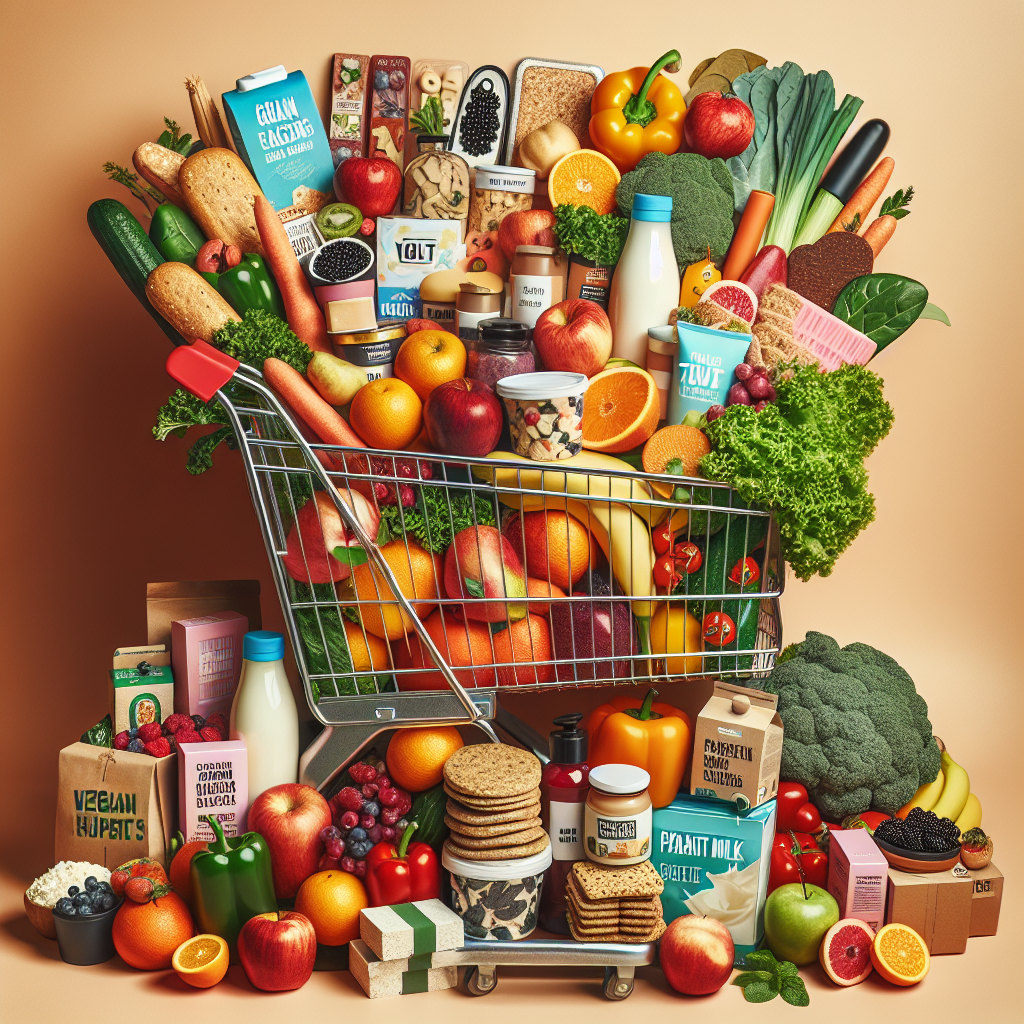
Introduction to Vegan Essentials for Your Pantry
Going vegan is not just a diet; it’s a lifestyle. And one of the most crucial aspects of this lifestyle is having a well-stocked pantry that is filled with all the essentials to help you create delicious and nutritious plant-based meals. Whether you’re a newbie to the vegan world or a seasoned pro, having the right ingredients on hand will make your vegan cooking adventures a breeze.
So, what exactly should you have in your vegan pantry? Let’s dive in and explore the essentials!
1. Plant-Based Milk Alternatives: Finding the Perfect Match
Say goodbye to dairy milk and hello to a wide array of plant-based milk alternatives! Whether you prefer almond, soy, oat, coconut, or hemp milk, there is a milk alternative out there to suit every taste and dietary preference. These milks can be used in everything from your morning coffee to baking, smoothies, and even creamy sauces.
When choosing a plant-based milk, it’s essential to consider factors such as taste, texture, nutritional profile, and whether it’s fortified with calcium and vitamin D. Experiment with different options and find the one that suits your preferences best. Remember, variety is the spice of life!
2. Protein Power: Tofu, Tempeh, and Meat Substitutes
Protein is a vital macronutrient, and luckily, there are plenty of vegan options to fulfill your protein needs. Tofu and tempeh are excellent sources of plant-based protein and can be used in a variety of dishes, from stir-fries to curries and even desserts.
If you’re craving the taste and texture of meat, don’t worry! The market is flooded with meat substitutes made from soy, wheat, or pea protein, which can satisfy even the most dedicated carnivores. These options come in various forms, including burgers, sausages, and deli slices, making it easy to incorporate them into your favorite recipes.
3. Vegan Cheese and Yogurt: Dairy-Free Delights for Everyday Use
Who says you can’t enjoy cheese and yogurt on a vegan diet? With the growing popularity of plant-based eating, there is an abundance of delicious vegan cheese and yogurt options available. From creamy almond milk-based cheeses to tangy coconut yogurt, these dairy-free delights can be used just like their dairy counterparts in sandwiches, salads, pasta dishes, and more.
When choosing vegan cheese and yogurt, be sure to read the labels and opt for options that are free from artificial flavors and preservatives. Look for varieties that are rich in probiotics for gut health and calcium for strong bones.
4. Whole Grains and Legumes: The Foundation of a Balanced Vegan Diet
Whole grains and legumes are the backbone of a healthy vegan diet. They are packed with fiber, protein, vitamins, and minerals, providing you with sustained energy and essential nutrients. Stock your pantry with a variety of whole grains like quinoa, brown rice, oats, and whole wheat pasta, as well as an assortment of legumes such as lentils, chickpeas, and black beans.
These versatile ingredients can be used in countless recipes, from hearty stews to refreshing salads and comforting grain bowls. Get creative and experiment with different flavors and textures to keep your meals exciting and satisfying.
5. Nutritional Boosts: Seeds, Nuts, and Superfood Supplements
Seeds and nuts are not only delicious but also packed with essential nutrients like healthy fats, protein, and vitamins. Stock up on flaxseeds, chia seeds, hemp seeds, almonds, cashews, and walnuts to add a nutritional boost to your meals and snacks.
If you’re looking to take your nutrition to the next level, consider incorporating superfood supplements like spirulina, maca powder, or wheatgrass into your pantry. These supplements are rich in antioxidants, vitamins, and minerals, and can easily be added to smoothies, juices, or baked goods.
6. Snacking Made Simple: Vegan Crackers, Chips, and Treats
Snacking is a joy, and being vegan doesn’t mean you have to miss out on all the delicious treats. Stock your pantry with a variety of vegan-friendly crackers, chips, and snacks to satisfy your cravings. Look for options made from whole grains and natural ingredients to keep your snacking healthy and guilt-free.
When choosing snacks, be mindful of added sugars and unhealthy fats. Opt for options that are low in sodium and free from artificial flavors and preservatives. And don’t forget to indulge in some sweet vegan treats like dark chocolate, energy bars, or homemade vegan cookies!
By stocking your pantry with these vegan essentials, you’ll be well-prepared to embark on your plant-based culinary adventures. Remember, the key to a successful vegan pantry is variety, so don’t be afraid to try new ingredients and get creative in the kitchen. Happy vegan cooking!
Plant-Based Milk Alternatives: Finding the Perfect Match
So you’ve decided to embrace a vegan lifestyle, and now you’re faced with the dilemma of finding the perfect milk alternative. Don’t worry, we’ve got you covered! There are plenty of delicious and nutritious plant-based options that will satisfy your taste buds and meet your nutritional needs.
Gone are the days when soy milk was the only choice for non-dairy milk. Today, you can find a wide variety of options made from almonds, oats, rice, coconut, and even hemp. Each type of plant-based milk has its own unique flavor and texture, so it’s all about finding the one that suits your palate.
Almond milk is one of the most popular choices, known for its subtly sweet taste and light texture. It’s great for adding to your morning coffee or pouring over your favorite cereal. Oat milk, on the other hand, has a creamy consistency and a slightly nutty flavor. It’s perfect for making lattes or adding to your baking recipes.
If you’re looking for something richer and creamier, coconut milk might be the perfect fit for you. It adds a tropical twist to smoothies and curries, and it’s also a great base for homemade vegan ice cream. Rice milk, with its mild and naturally sweet taste, works well in both sweet and savory dishes, making it a versatile choice.
For those who prefer a more earthy and nutty flavor, hemp milk is a great option. It’s packed with omega-3 fatty acids and has a creamy texture that pairs well with your morning cereal or in your favorite smoothie. The best part? It’s also an eco-friendly choice, as hemp plants require less water and pesticides to grow.
When choosing a plant-based milk, it’s important to consider your nutritional needs. While most store-bought options are fortified with vitamins and minerals, it’s still a good idea to check the labels to ensure you’re getting the nutrients you need. Look for options that are fortified with calcium, vitamin D, and vitamin B12, as these are nutrients that are commonly found in dairy milk.
It’s also worth noting that homemade plant-based milk is an option if you prefer a more natural and additive-free option. With a simple blender and a cheesecloth, you can easily make your own almond milk or oat milk at home. Not only is it cost-effective, but it also allows you to control the ingredients and sweetness level.
In conclusion, finding the perfect plant-based milk alternative is all about personal preference. Experiment with different options to find the one that suits your taste and nutritional needs. Whether you go for the creamy richness of coconut milk or the subtly sweet flavor of almond milk, you can rest assured that there is a delicious and nutritious option out there for you.
III. Protein Power: Tofu, Tempeh, and Meat Substitutes
When it comes to following a vegan lifestyle, many people often wonder where they can get their protein. The good news is that there are plenty of plant-based options that can provide you with the protein power you need to thrive. Let’s explore some of the top choices for protein-packed vegan essentials:
Tofu
Tofu, also known as bean curd, is a versatile and popular protein substitute made from soybeans. It has a smooth texture and mild taste, making it an excellent ingredient for a variety of recipes. Whether you’re into stir-fries, scrambles, or creamy desserts, tofu can be your go-to option. It’s also a great source of iron and calcium, making it a nutrient-dense addition to your pantry.
When using tofu, it’s essential to choose the right type for the desired dish. Silken tofu works best for smoothies, desserts, and dressings, while firm or extra-firm tofu is ideal for stir-fries, grilling, and baking. To enhance its flavor, you can marinate tofu with your favorite spices or sauces before cooking.
Tempeh
Tempeh is another plant-based protein option that originates from Indonesia. It’s made by fermenting soybeans and forming them into a firm, cake-like structure. Tempeh has a nutty flavor and a slightly chewy texture, making it a satisfying and nutritious addition to your meals.
Due to its firm texture, tempeh is excellent for grilling, sautéing, or crumbling into a variety of dishes. It absorbs flavors well, so marinating it before cooking can add a delightful taste. Tempeh is also a good source of fiber, vitamins, and minerals, making it a fantastic choice for a well-rounded vegan diet.
Meat Substitutes
If you’re craving the taste and texture of meat, there are numerous plant-based meat substitutes available on the market. These options are often made from soy, wheat gluten, or other plant-based ingredients, and are designed to mimic the taste and texture of animal-based proteins.
Some popular meat substitutes include veggie burgers, plant-based sausages, and meatless chicken nuggets. These products have come a long way in terms of taste and texture, making them satisfying alternatives for vegan and non-vegan eaters alike.
When choosing meat substitutes, it’s important to read labels and select options that are minimally processed and low in added sugars and saturated fats. Look for products that are made from whole-food ingredients and have a short ingredient list.
Remember, while these meat substitutes can be a convenient way to transition to a vegan diet, they should be enjoyed in moderation as part of a balanced eating plan that includes a variety of whole, plant-based foods.
By incorporating tofu, tempeh, and meat substitutes into your meals, you can easily meet your protein needs while enjoying a wide range of flavors and textures. Experiment with different cooking methods, spices, and sauces to find your favorite ways to prepare these protein powerhouses.
Key Points:
- Tofu is a versatile protein substitute made from soybeans. Choose silken tofu for smoothies and desserts, and firm or extra-firm tofu for stir-fries and grilling.
- Tempeh is a nutty-flavored, fermented soybean cake that adds a chewy texture to your dishes. It’s great for grilling, sautéing, or crumbling into recipes.
- Meat substitutes, made from soy, gluten, or other plant-based ingredients, offer a variety of options for those craving the taste and texture of meat. Choose minimally processed products with whole-food ingredients.
- Enjoy tofu, tempeh, and meat substitutes in moderation as part of a balanced vegan diet that includes a variety of whole, plant-based foods.
Vegan Cheese and Yogurt: Dairy-Free Delights for Everyday Use
When transitioning to a vegan lifestyle, many people worry about giving up their favorite dairy products. But fear not, because the world of vegan cheese and yogurt is full of delicious options that will satisfy your cravings and add a creamy touch to your meals. Whether you’re spreading it on a sandwich, melting it on a pizza, or enjoying it with a bowl of fresh fruit, these plant-based alternatives will not disappoint.
1. Vegan Cheese
Gone are the days when vegan cheese meant tasteless, rubbery imitations. Today, there is a wide array of vegan cheeses available, made from a variety of plant-based ingredients like nuts, soy, or even vegetables. Here are a few popular options:
- Nut-Based Cheeses: These cheeses are crafted from a blend of cashews, almonds, or macadamia nuts. They offer a rich and creamy flavor that will make you forget all about dairy cheese.
- Soy-Based Cheeses: Made from soy milk, these cheeses have a firm texture and a mild taste. They melt beautifully and are perfect for dishes like grilled cheese sandwiches or lasagna.
- Vegetable-Based Cheeses: Some vegan cheeses are made from vegetables like cauliflower, carrots, or potatoes. These cheeses are not only dairy-free but also low in fat and calories, making them a healthier option.
When choosing vegan cheese, it’s important to read the labels and look for products that are free from artificial flavors, preservatives, and hydrogenated oils. Experiment with different brands and flavors to find the ones you love the most.
2. Vegan Yogurt
If you enjoy yogurt as part of your breakfast or as a snack, don’t worry, because there are plenty of vegan options available. Made from plant-based milk like coconut, almond, or soy, vegan yogurt offers a creamy and tangy taste that rivals traditional dairy yogurt. Here are a few things to consider when picking out a vegan yogurt:
- Flavors: Vegan yogurts come in various flavors, from classic vanilla and strawberry to more exotic options like mango or matcha. Experiment with different flavors to find your favorite.
- Texture: Some vegan yogurts have a smooth and creamy texture, while others have a thicker, Greek-style consistency. Choose the one that suits your preferences.
- Probiotics: Just like dairy yogurt, some vegan yogurts contain live and active cultures, which can support a healthy gut. Look for brands that mention the presence of probiotics on the label.
When enjoying vegan yogurt, you can add your favorite toppings, such as fresh fruit, granola, or nuts, to enhance the flavor and texture. It’s also a great way to add a dose of healthy fats and protein to your diet.
Remember, transitioning to a vegan lifestyle doesn’t mean you have to give up your favorite dairy products. With the wide range of vegan cheeses and yogurts available, you can continue to enjoy the creamy goodness without any guilt. So go ahead, stock up your pantry with these dairy-free delights and indulge in the flavors of a plant-based diet.
Quick Tips:
- Experiment with different types and flavors of vegan cheese to find your favorites.
- Read the labels and choose vegan cheeses that are free from artificial ingredients.
- Add vegan cheese to your favorite dishes, like pasta, sandwiches, or salads, for a flavorful twist.
- Try different brands and flavors of vegan yogurt to discover your preferences.
- Top your vegan yogurt with fresh fruit, nuts, or granola for added flavor and nutrition.
Whole Grains and Legumes: The Foundation of a Balanced Vegan Diet
When it comes to a vegan diet, whole grains and legumes are the unsung heroes. These nutrient-rich foods provide the foundation for a balanced and fulfilling plant-based lifestyle. Whether you’re new to veganism or a seasoned pro, it’s essential to understand the importance of incorporating these powerhouses into your pantry.
The Beauty of Whole Grains
Whole grains are an integral part of any healthy diet, vegan or not. They are packed with fiber, vitamins, and minerals, making them a valuable source of sustained energy. Plus, they can be incredibly versatile in the kitchen.
If you’re a fan of breakfast, oatmeal should be your go-to choice. Oats not only provide a comforting and filling start to your day but are also known to lower cholesterol levels and improve heart health. Top your bowl with some fresh fruits, a dollop of nut butter, and a sprinkle of cinnamon for a delicious and nutritious meal.
For lunch or dinner, quinoa is a superstar grain. It’s a complete protein, meaning it contains all nine essential amino acids necessary for optimum health. Quinoa can be used as a base for salads, stuffed vegetables, or as a side dish. Its light and fluffy texture will leave you satisfied and nourished.
The Mighty Legumes
Legumes, such as beans, lentils, and chickpeas, are a vegan’s best friend. They are a fantastic source of plant-based protein, fiber, iron, and B vitamins. Incorporating legumes into your meals not only adds depth and flavor but also boosts your nutritional intake.
When it comes to beans, the options are endless. Black beans, kidney beans, and pinto beans are perfect for Mexican-inspired dishes like burritos, tacos, or chili. Chickpeas, on the other hand, are the star ingredient in Middle Eastern classics like hummus and falafel. Lentils, with their quick cooking time, can be transformed into hearty soups, stews, or even veggie burgers.
Getting Creative in the Kitchen
Whole grains and legumes provide a canvas for your culinary creativity. Experimenting with flavors, textures, and spices can elevate your meals to new heights. For example, try adding roasted vegetables and a tangy dressing to a quinoa salad for a refreshing and satisfying lunch. Or, mix black beans, corn, and a variety of colorful bell peppers for a vibrant and hearty burrito bowl.
Don’t shy away from exploring international cuisines either. Indian, Mediterranean, and Asian-inspired dishes often feature legumes and whole grains prominently. Look for recipes that incorporate ingredients like lentils, chickpeas, rice, and quinoa to broaden your culinary horizons.
Supplementing Your Diet
While whole grains and legumes are nutritional powerhouses, it’s important to ensure you have a well-rounded vegan diet. Consider incorporating supplements like vitamin B12, omega-3 fatty acids, or iron if needed. These supplements can help fill any nutritional gaps and support your overall health.
Remember, variety is key to a successful vegan diet. Be sure to mix up your whole grains and legumes regularly, to benefit from a wide range of nutrients. Experiment with different grains, beans, and lentils to keep your meals exciting and satisfying.
So, stock up your pantry with a variety of whole grains like oats, quinoa, and brown rice, as well as an assortment of legumes such as beans, lentils, and chickpeas. With these staples on hand, you’ll have the building blocks for a flavorful and nutritious vegan lifestyle.
Nutritional Boosts: Seeds, Nuts, and Superfood Supplements
Hey there, health-conscious folks! Welcome to the world of nutritional powerhouses that will take your vegan pantry to the next level. Today, we’re diving into the exciting realm of seeds, nuts, and superfood supplements. These gems not only add a delightful crunch to your meals but also amp up the nutritional value of your plant-based diet. So, let’s get started!
The Mighty Seeds
Seeds, my friends, are small but mighty. They are packed with essential nutrients, healthy fats, and powerful antioxidants. One of the superheroes of the seed world is flaxseed. These tiny wonders are an excellent source of omega-3 fatty acids, which are crucial for brain health. Sprinkle some ground flaxseed on your morning smoothie or oatmeal, and you’re in for a nutritional treat!
Another superstar seed is chia. These little guys are rich in fiber, protein, and omega-3s. You can create a refreshing chia pudding by combining chia seeds with your favorite plant-based milk and letting them soak overnight. Add some fruits, and voila! You have a nutritious and delicious breakfast or snack.
Nutty Goodness
When it comes to nuts, they are not just a crunchy snack; they are a treasure trove of nutrients. Almonds, for example, are loaded with vitamin E, magnesium, and heart-healthy fats. They are the perfect on-the-go snack or an excellent addition to your salads and stir-fries.
Walnuts are another nutty delight that deserves a special mention. These brain-shaped wonders are rich in omega-3 fatty acids and offer a unique flavor to your favorite dishes. Sprinkle some crushed walnuts on your plant-based yogurt or top your roasted veggies with them for a nutty crunch.
Say Hello to Superfoods
Now, let’s explore the world of superfood supplements. These powerhouses are packed with nutrients and can provide an extra boost to your well-rounded vegan diet. One of the most popular superfoods is spirulina. This vibrant blue-green algae is bursting with protein, iron, and antioxidants. You can easily incorporate it into your smoothies or add a sprinkle to your homemade energy bars.
Another superfood sensation is maca powder. Derived from a root vegetable native to Peru, maca is known for its energy-boosting properties. It has a subtly sweet, nutty flavor that pairs well with smoothies, oatmeal, and baked goods. Just a teaspoon of maca powder can make a world of difference to your morning routine!
Supplements: The Extra Mile
In addition to seeds and superfoods, supplements can be an excellent way to ensure you’re getting all the necessary nutrients. Vitamin B12, for example, is vital for vegans as it is primarily found in animal products. A B12 supplement will keep your energy levels up and support your nervous system.
Another popular supplement among vegans is vitamin D, especially if you live in a place with limited sunlight. This sunshine vitamin plays a crucial role in bone health and immune function. Consult with a healthcare professional to determine the right dosage for you.
Remember, while supplements can be beneficial, they should never replace a balanced diet. So, make sure to incorporate a variety of nutrient-dense foods into your meals.
And there you have it, folks! Seeds, nuts, and superfood supplements are the secret weapons that elevate your vegan pantry to new heights. They not only add a delicious twist to your dishes but also provide a hefty dose of essential nutrients. So, stock up on these nutritional powerhouses and let your vegan journey flourish!
Outline:
- Introduction to Vegan Essentials for Your Pantry
- Plant-Based Milk Alternatives: Finding the Perfect Match
- Protein Power: Tofu, Tempeh, and Meat Substitutes
- Vegan Cheese and Yogurt: Dairy-Free Delights for Everyday Use
- Whole Grains and Legumes: The Foundation of a Balanced Vegan Diet
- Nutritional Boosts: Seeds, Nuts, and Superfood Supplements
- Snacking Made Simple: Vegan Crackers, Chips, and Treats
Snacking Made Simple: Vegan Crackers, Chips, and Treats
When it comes to snacking, being vegan doesn’t mean you have to miss out on all the fun. In fact, there are plenty of delicious plant-based options that will satisfy your cravings and keep you fueled throughout the day. From crunchy crackers to savory chips and sweet treats, the world of vegan snacking is full of exciting flavors and textures. So, let’s dive in and explore some of the best options for your vegan pantry!
1. Vegan Crackers and Crisps
Gone are the days when crackers were just a vessel for cheese. Nowadays, you can find a wide variety of vegan crackers that are packed with flavor and perfect for pairing with your favorite dips and spreads. Look for options made with whole grains like quinoa, amaranth, or brown rice for an extra nutritional boost. You can also find gluten-free crackers if you have any specific dietary needs.
When it comes to crisps, there are plenty of vegan-friendly options as well. Whether you prefer classic potato chips or something a bit more adventurous like kale or beet chips, you’re sure to find a flavor that tickles your taste buds. Just make sure to check the ingredients list to ensure there are no hidden animal products.
2. Sweet Vegan Treats
Who says you can’t enjoy a sweet treat while following a vegan lifestyle? There are plenty of indulgent options out there that will satisfy your sweet tooth without compromising your values. Look for vegan cookies, brownies, and energy bars made with natural sweeteners like dates, maple syrup, or coconut sugar. You can also opt for fruit-based snacks like dried mangoes, apple chips, or banana crisps for a healthier alternative.
If you’re feeling a bit more adventurous, why not try making your own vegan desserts? There are countless recipes available online for vegan cupcakes, cookies, and even ice cream. Experimenting in the kitchen can be a fun and delicious way to satisfy your cravings.
3. Nuts and Seeds
Nuts and seeds are not only a great source of healthy fats and protein, but they also make for a satisfying and convenient snack. Whether you prefer almonds, cashews, walnuts, or sunflower seeds, you can enjoy them on their own or add them to your favorite trail mix. You can also find a wide variety of flavored and seasoned nuts and seeds for an extra kick of flavor.
When choosing nuts and seeds, opt for unsalted or lightly salted varieties to keep your sodium intake in check. And remember, a little goes a long way. A small handful of nuts or seeds can provide you with a satisfying snack that will keep you going until your next meal.
4. Fun with Dips and Spreads
No snack time is complete without a delicious dip or spread to accompany your crackers, chips, or veggies. Luckily, there are plenty of vegan options available that are just as tasty as their dairy-filled counterparts. From hummus and guacamole to nut butters and vegan cheese spreads, the possibilities are endless.
Experiment with different flavors and textures to find your favorites. You can also try making your own dips and spreads at home using simple ingredients like chickpeas, tahini, or nutritional yeast. Not only will you have full control over the flavors, but you’ll also save money in the process.
So, next time you feel the urge to snack, don’t worry about compromising your vegan lifestyle. With a well-stocked pantry full of vegan-friendly crackers, chips, and treats, you’ll always have a delicious and guilt-free option at your fingertips. Enjoy exploring the world of vegan snacking and discover new flavors and textures along the way!
Interesting read. I didn’t realize there were so many options for plant-based milk alternatives. I’ll have to try a few different ones.
A good reminder to consider fortified plant-based milk to ensure important nutrients are included in a vegan diet.
I appreciate the emphasis on variety and nutritional value in a vegan diet. This will be useful for planning healthier meals.
This article provides a good overview of essential vegan pantry items. It’s helpful for those new to veganism.
I agree that having a well-stocked vegan pantry is crucial. Are there any specific brands you recommend for vegan cheese?
I find that some brands like Daiya and Miyoko’s offer great vegan cheese options.
Violife has some good varieties as well. Worth checking out!