
Introduction to Vegan Meat Alternatives
Welcome to the wonderful world of vegan meat alternatives! If you’ve recently embarked on the journey of plant-based eating, or if you’re just curious about exploring new options, you’ve come to the right place. Gone are the days when being a vegan meant limited choices and bland flavors. In today’s market, there is a plethora of delicious and nutritious vegan meat substitutes that can satisfy even the most discerning taste buds.
So, what exactly are vegan meat alternatives? These are products that mimic the taste, texture, and appearance of animal-based meats, but are made entirely from plant-based ingredients. They are perfect for those who are looking to reduce their consumption of animal products, whether for ethical, health, or environmental reasons.
One of the key factors in the rise of vegan meats is the use of plant-based proteins. These proteins, derived from sources such as soy, wheat, peas, and mushrooms, provide the foundation for creating meat-like textures and flavors. They are not only packed with nutrients, but also offer a sustainable and cruelty-free alternative to traditional meats.
Now, you might be wondering about the different types of plant-based proteins used in vegan meats. Let’s take a closer look:
- Soy Protein: Soy protein is one of the most commonly used plant-based proteins in vegan meat products. It has a high protein content and can be processed into various forms, such as tofu, tempeh, and textured vegetable protein (TVP).
- Wheat Protein: Wheat protein, also known as seitan, is another popular choice for vegan meats. It has a meat-like texture and is often used to create products like vegan sausages, deli slices, and burgers.
- Pea Protein: Pea protein is derived from yellow peas and is a rich source of essential amino acids. It is commonly used in vegan meat products, especially burgers and sausages.
- Mushroom Protein: Mushroom protein, extracted from various types of mushrooms, is gaining popularity as a plant-based protein source. It adds a unique umami flavor to vegan meats and is often used in products like mushroom-based jerky.
Now that you have a better understanding of the types of plant-based proteins used in vegan meats, let’s delve into some of the popular brands and products available in the market. Whether you’re craving a juicy burger, savory sausage, or even a tender steak, there are countless options to choose from. In the next section, we will explore some of the best vegan meat brands and their delicious offerings.
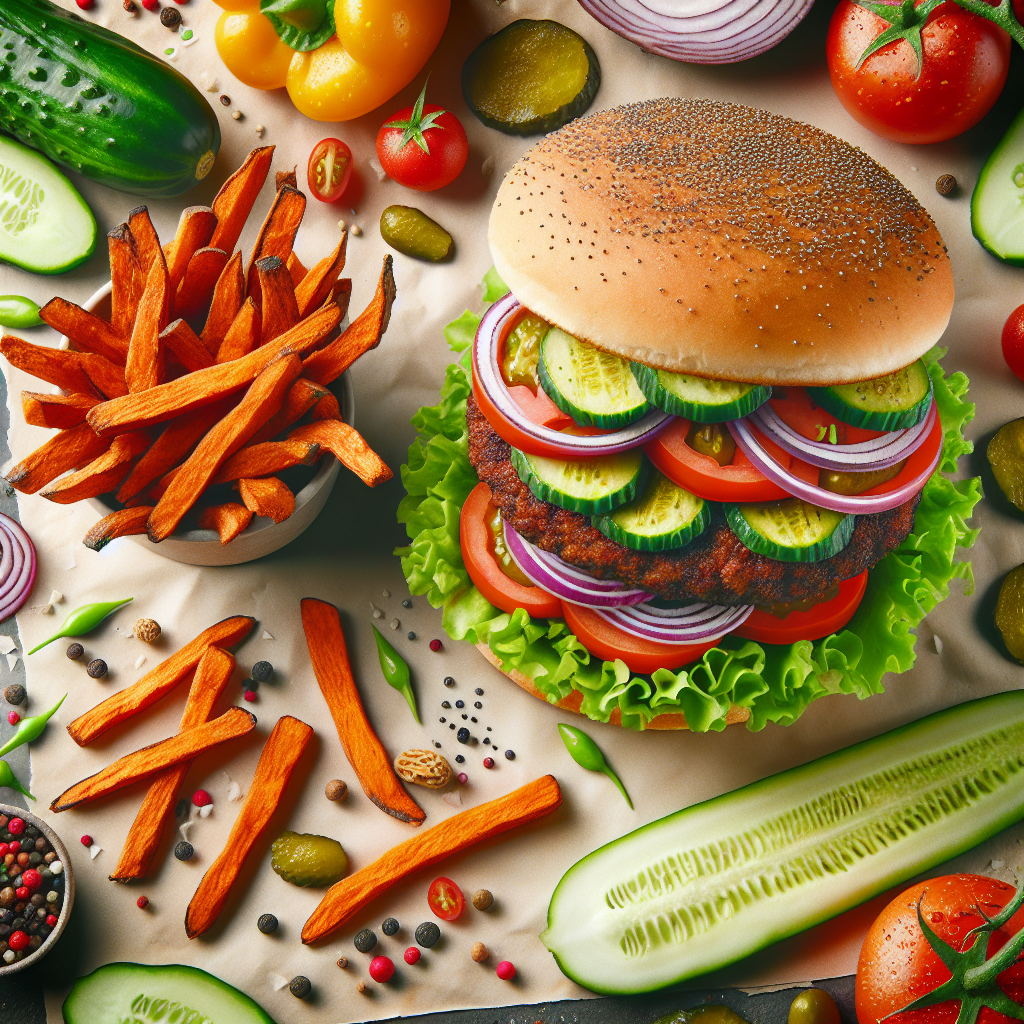
Types of Plant-Based Proteins Used in Vegan Meats
When it comes to vegan meat alternatives, many people wonder what exactly these products are made of. Well, the answer lies in the use of plant-based proteins. These proteins are derived from various plant sources and are used to mimic the texture and taste of animal meats. Here are some of the most commonly used plant-based proteins in vegan meats:
Soy Protein
Soy protein is one of the most popular plant-based proteins used in vegan meats. It is made from soybeans and is known for its high protein content. Soy protein can be processed into various forms, including soy protein isolate and soy protein concentrate, which are commonly used in vegan burgers, sausages, and other meat substitutes. Soy protein provides a meat-like texture and is often praised for its ability to absorb flavors.
Wheat Protein (Seitan)
Another commonly used plant-based protein in vegan meats is wheat protein, also known as seitan. Seitan is made by washing wheat flour dough to remove the starch, leaving behind the protein-rich gluten. It has a chewy texture that is similar to meat, making it an ideal ingredient in products like vegan chicken strips, deli slices, and sausages. Seitan is also a good source of iron.
Pea Protein
Pea protein is derived from yellow peas and is a popular choice among vegans and those with food allergies, as it is gluten-free and hypoallergenic. It has a neutral taste and is often used as a base for vegan meat products. Pea protein is not only high in protein but also rich in essential amino acids, making it a nutritious option for vegans and vegetarians.
Mung Bean Protein
Mung bean protein is a relatively new player in the plant-based protein game. It is derived from mung beans and has gained popularity for its ability to provide a meat-like texture and taste. Mung bean protein is often used in vegan burgers and sausages, offering a healthy and sustainable alternative to animal-based proteins.
Jackfruit
While not technically a protein, jackfruit is worth mentioning as it is often used as a meat substitute due to its fibrous texture. When cooked, jackfruit has a pulled pork-like consistency and can be used in various dishes, such as vegan tacos, BBQ sandwiches, and curries. It is low in calories and packed with nutrients, making it a great option for those looking to reduce their meat intake.
These are just a few examples of the plant-based proteins used in vegan meats. Other ingredients, such as mushrooms, lentils, and chickpeas, are also commonly used to create delicious and nutritious plant-based alternatives to animal meats. So, whether you’re a vegan, vegetarian, or simply curious about trying out meatless options, these plant-based proteins offer a wide range of choices to suit your taste preferences and dietary needs.
Exploring Popular Vegan Meat Brands and Products
Now that we’ve learned about the types of plant-based proteins used in vegan meats, let’s take a closer look at some popular vegan meat brands and the delicious products they offer. These brands have been making waves in the market with their innovative and tasty plant-based alternatives to animal meats.
1. Beyond Meat
Beyond Meat is a pioneer in the vegan meat industry and has gained a lot of recognition for its realistic meat-like texture. Their flagship product, the Beyond Burger, has become a favorite among vegans and meat-eaters alike. Made from a blend of pea protein, rice protein, and mung bean protein, the Beyond Burger cooks and tastes just like a traditional beef burger. It even “bleeds” beet juice to mimic the juiciness of a real burger. Beyond Meat also offers other products like sausages, ground meat, and even plant-based chicken strips.
2. Impossible Foods
Impossible Foods is another big player in the vegan meat industry that has made headlines with its famous Impossible Burger. The Impossible Burger is made using a soy-derived heme molecule, which gives it a meaty flavor and a juicy texture. It has been praised for its close resemblance to real beef, making it a popular choice for vegans and flexitarians. Impossible Foods has also expanded its product range to include ground meat, sausage, and even plant-based pork.
3. Gardein
Gardein is a brand that offers a wide range of plant-based meat alternatives. Their products are made primarily from soy, wheat, and pea proteins. Gardein offers a variety of options, including chicken tenders, beefless ground meat, meatless meatballs, and even fishless filets. Their products are known for their great taste and versatility, making them perfect for incorporating into your favorite recipes.
4. Tofurky
Tofurky is a brand that specializes in plant-based alternatives to traditional meats like turkey and ham. Their products are made primarily from tofu and vital wheat gluten. Tofurky offers an array of options for holiday meals, including vegan roast, deli slices, and sausages. Their products have been praised for their authentic taste and texture, making them a popular choice for vegans and vegetarians during festive seasons.
5. Lightlife
Lightlife is a brand that aims to provide accessible and delicious plant-based options. They offer a range of products made from soy and wheat proteins, including burgers, hot dogs, sausage, and deli slices. Lightlife is committed to using only non-GMO ingredients and providing options for those with various dietary needs, including gluten-free and low-sodium options.
These are just a few examples of the many vegan meat brands and products available in the market today. Each brand offers unique flavors and textures, allowing you to explore a variety of options and find your favorites. Whether you’re a vegan looking for realistic meat alternatives or a meat-eater curious to try something new, these brands have something for everyone.
Remember, incorporating vegan meats into your diet can be a great way to reduce your environmental footprint and improve your health. So why not give them a try and join the growing movement of people embracing plant-based eating?
IV. Homemade Vegan Meat Recipes for Beginners
Are you ready to try your hand at making your own vegan meat alternatives? Creating homemade vegan meats can be a fun and rewarding experience, allowing you to customize the flavors and textures to your liking. Whether you’re a seasoned chef or a beginner in the kitchen, these simple recipes are perfect for anyone looking to venture into the world of plant-based proteins.
1. Lentil Walnut Burger
Ingredients:
- 1 cup cooked lentils
- 1 cup walnuts
- 1/2 cup breadcrumbs
- 1/4 cup diced onions
- 2 garlic cloves, minced
- 1 tablespoon soy sauce
- 1 teaspoon cumin
- 1 teaspoon paprika
- Salt and pepper to taste
Instructions:
- In a food processor, pulse the lentils and walnuts until combined but still slightly chunky.
- In a large bowl, mix together the lentil-walnut mixture, breadcrumbs, onions, garlic, soy sauce, cumin, paprika, salt, and pepper.
- Form the mixture into patties and refrigerate for at least 30 minutes to allow them to firm up.
- Cook the patties on a lightly oiled skillet or grill for 4-5 minutes on each side, or until golden brown.
- Serve on a bun with your favorite toppings and enjoy!
2. Chickpea “Chicken” Nuggets
Ingredients:
- 1 can chickpeas, drained and rinsed
- 1/4 cup flour
- 1/4 cup nutritional yeast
- 1 teaspoon garlic powder
- 1/2 teaspoon paprika
- 1/2 teaspoon salt
- 1/4 teaspoon black pepper
- 1/4 cup plant-based milk
- 1 tablespoon soy sauce
- 1 cup breadcrumbs
Instructions:
- In a food processor, blend the chickpeas until smooth.
- In a large bowl, mix together the chickpea puree, flour, nutritional yeast, garlic powder, paprika, salt, pepper, plant-based milk, and soy sauce until well combined.
- Shape the mixture into nugget shapes and coat each nugget in breadcrumbs.
- Place the coated nuggets on a baking sheet and bake at 400°F (200°C) for 20-25 minutes, or until crispy and golden brown.
- Serve with your favorite dipping sauce and enjoy!
These recipes are just a starting point, and you can experiment with different ingredients and seasonings to create your own unique vegan meat alternatives. Remember to have fun and don’t be afraid to get creative in the kitchen!
Now that you have some homemade vegan meat recipes under your belt, you can enjoy the satisfaction of knowing exactly what goes into your plant-based proteins. Not only are these recipes healthier and cruelty-free, but they also allow you to reduce your environmental footprint by cutting down on animal agriculture.
So, grab your apron, gather your ingredients, and start cooking up delicious and nutritious vegan meats right in your own kitchen. Your taste buds and the planet will thank you!
Nutritional Comparison: Vegan Meats vs. Animal Meats
When it comes to choosing between vegan meats and animal meats, there are several factors to consider. One of the most important considerations is the nutritional content of these two options. Let’s take a closer look at how vegan meats stack up against their animal-based counterparts.
Protein Content
Protein is an essential nutrient that plays a crucial role in building and repairing tissues in our body. Animal meats are known for their high protein content, but vegan meats can be equally protein-rich. Many plant-based proteins, such as soy, seitan, and tempeh, are used as the main ingredients in vegan meats. These plant-based proteins offer a comparable amount of protein to animal meats, making them an excellent choice for vegans and vegetarians.
Fat Content
Fat is another important component of our diet, providing us with energy and essential fatty acids. Animal meats are often higher in saturated fats, which can have negative effects on our cardiovascular health. On the other hand, vegan meats are typically lower in saturated fats and cholesterol, making them a healthier alternative. However, it’s important to note that some vegan meats may still contain added oils and fats, so it’s always a good idea to check the labels for nutritional information.
Cholesterol Levels
The consumption of animal meats has been linked to high cholesterol levels, which can increase the risk of heart disease. Vegan meats, being plant-based, do not contain any cholesterol. This makes them a heart-healthy choice for individuals looking to lower their cholesterol levels or maintain a healthy heart.
Vitamins and Minerals
While animal meats are often touted as a good source of certain vitamins and minerals, vegan meats can also provide a wide range of essential nutrients. Plant-based proteins used in vegan meats, such as soy and tempeh, are rich in iron, calcium, and B vitamins. Additionally, many vegan meats are fortified with vitamins and minerals to ensure a well-rounded nutritional profile.
Dietary Fiber
Dietary fiber is crucial for maintaining a healthy digestive system and preventing constipation. Animal meats generally contain little to no fiber, while vegan meats, being plant-based, are typically high in dietary fiber. This can help promote regular bowel movements and support overall gut health.
Overall, vegan meats offer a viable alternative to animal meats in terms of nutritional content. They can provide a comparable amount of protein, lower levels of saturated fats and cholesterol, and a wide range of essential vitamins and minerals. However, it’s important to remember that not all vegan meats are created equal. Some may be highly processed and contain added sugars and sodium, so it’s always a good idea to read the labels and choose options with minimal additives.
Whether you’re a vegan, vegetarian, or simply looking to reduce your meat consumption, incorporating vegan meats into your diet can be a delicious and nutritious choice. By understanding the nutritional benefits of vegan meats, you can make informed decisions about your dietary choices and enjoy a diverse range of plant-based options.
Incorporating Vegan Meats into Traditional Dishes
So you’ve decided to give vegan meats a try, but you might be wondering how to incorporate them into your favorite traditional dishes. Don’t worry, we’ve got you covered! Here are some tips and ideas to help you make the most out of your plant-based protein.
1. Tacos and Burritos
Tacos and burritos are a classic comfort food, and they can easily be made vegan-friendly by swapping out the traditional meat filling with vegan ground “beef” or “chicken.” Season it with your favorite spices and cook it up just like you would with regular meat. Load up your tortillas with all your favorite toppings like salsa, guacamole, and vegan cheese for a delicious and satisfying meal.
2. Stir-Fries and Asian-Inspired Dishes
Asian cuisine is known for its flavorful stir-fries and tasty sauces. Instead of using animal-based proteins like chicken or beef, try using vegan alternatives such as tofu, tempeh, or seitan. These plant-based proteins absorb the flavors of the sauces and spices, giving you a delicious and nutritious meal. Stir-fry them with your favorite vegetables and serve over rice or noodles for a complete and satisfying dish.
3. Burgers and Sandwiches
Who doesn’t love a good burger or sandwich? With the rise in popularity of vegan meats, you can now enjoy plant-based burgers and sandwiches that taste just as delicious as their meat counterparts. Look for vegan burger patties made from ingredients like black beans, mushrooms, or soy protein. Grill or fry them up and top them with all your favorite fixings for a tasty and satisfying meal.
4. Pasta Dishes
Pasta is a versatile dish that can easily be made vegan by using plant-based protein alternatives. Instead of using ground beef or sausage in your pasta sauces, try using vegan ground “meat” crumbles. These crumbles have a similar texture and taste to meat, making them the perfect substitute. Add them to your favorite marinara sauce or use them to make a vegan Bolognese sauce. Serve over your favorite pasta for a comforting and filling meal.
5. Mexican Cuisine
Mexican cuisine is known for its bold flavors and vibrant ingredients. Many traditional Mexican dishes can easily be made vegan by swapping out the meat for plant-based alternatives. Use vegan ground “beef” or “chicken” in dishes like enchiladas, chiles rellenos, or even nachos. Top them with vegan cheese, avocado, and salsa for a delicious and satisfying Mexican feast.
Remember, when incorporating vegan meats into your traditional dishes, it’s important to experiment and find the flavors and textures that you enjoy. Don’t be afraid to get creative and try new recipes. With the wide variety of vegan meat options available, you’re sure to find something that suits your taste buds.
So why not give vegan meats a try? Not only are they a more sustainable and ethical choice, but they can also be just as delicious and satisfying as their animal-based counterparts. Whether you’re a seasoned vegan or just starting to explore plant-based options, incorporating vegan meats into your traditional dishes can open up a whole new world of flavors and possibilities.
Tips for Shopping and Cooking with Vegan Meat Substitutes
So, you’ve decided to give vegan meat alternatives a try and incorporate them into your diet. That’s fantastic! Now, you might be wondering how to navigate the world of vegan meats, from shopping for them to cooking them in delicious ways. Fear not, for we have some valuable tips to guide you along the way.
1. Start with Familiar Flavors
If you’re new to vegan meats, it may be helpful to begin with products that mimic the flavors and textures of the animal meats you’re familiar with. Look for vegan burgers, sausages, and deli slices that are designed to resemble their non-vegan counterparts. This way, you can ease into the transition and enjoy familiar tastes while exploring the plant-based options available to you.
2. Experiment with Different Brands
There are numerous vegan meat brands out there, each offering their unique take on plant-based proteins. Don’t be afraid to try different brands and products to discover your favorites. Some brands focus on creating products with a meat-like texture, while others emphasize organic and whole food ingredients. Experimenting will help you find the brands that align with your taste preferences and values.
3. Read Labels Carefully
When shopping for vegan meat substitutes, it’s important to read labels carefully. Look for products that are non-GMO, contain minimal additives, and are free from artificial colors and flavors. Also, check the ingredient list for any potential allergens. Being mindful of what goes into the products you choose will help you make healthier and more informed decisions.
4. Get Creative in the Kitchen
Cooking with vegan meats opens up a world of culinary possibilities. Don’t be afraid to get creative and experiment with different recipes. You can use vegan ground “meat” in tacos, lasagnas, and stuffed peppers. Vegan sausages can be grilled, sliced, and added to pasta dishes or stir-fries. The key is to have fun and let your imagination run wild in the kitchen.
5. Combine with Other Plant-Based Proteins
While vegan meat substitutes are a great addition to your diet, it’s essential to incorporate a variety of plant-based proteins for optimal nutrition. Combine vegan meats with legumes like lentils, chickpeas, or black beans to boost the protein content of your meals. This combination not only enhances the nutritional profile but also adds different textures and flavors to your dishes.
6. Stock Up on Spices and Sauces
To truly elevate the flavors of your vegan meat dishes, stock up on a variety of spices and sauces. Experiment with different marinades, rubs, and seasonings to add depth and complexity to your meals. From smoky BBQ sauces to tangy teriyaki glazes, the right combination of spices and sauces can take your vegan meats to the next level of deliciousness.
7. Share the Journey
Going on a plant-based journey doesn’t have to be a solitary experience. Share your love for vegan meats with friends and family. Host a vegan BBQ or invite loved ones to try your homemade vegan meat creations. By sharing the journey, you not only spread awareness about the benefits of plant-based eating but also inspire others to explore vegan alternatives.
So there you have it – some helpful tips for shopping and cooking with vegan meat substitutes. Remember, the key is to enjoy the process, try new things, and discover the wonderful world of plant-based proteins. Happy cooking!
I’ve heard a lot about Beyond Meat and Impossible Foods. This article gives a good introduction to what they’re made of and how they compare.
It’s interesting to see how each type of plant-based protein has its unique benefits. The addition of jackfruit as a meat substitute is a nice touch.
The section about different proteins like soy, wheat, and pea was very detailed. Helps in understanding the variety available in the market.
Great breakdown of popular vegan meat brands and their products. Makes it easier to decide what to try next in my plant-based diet.
The overview of plant-based proteins is really informative. I didn’t realize there were so many different types used in vegan meats.